Top 10 Passive Components for Global Buyers to Consider?

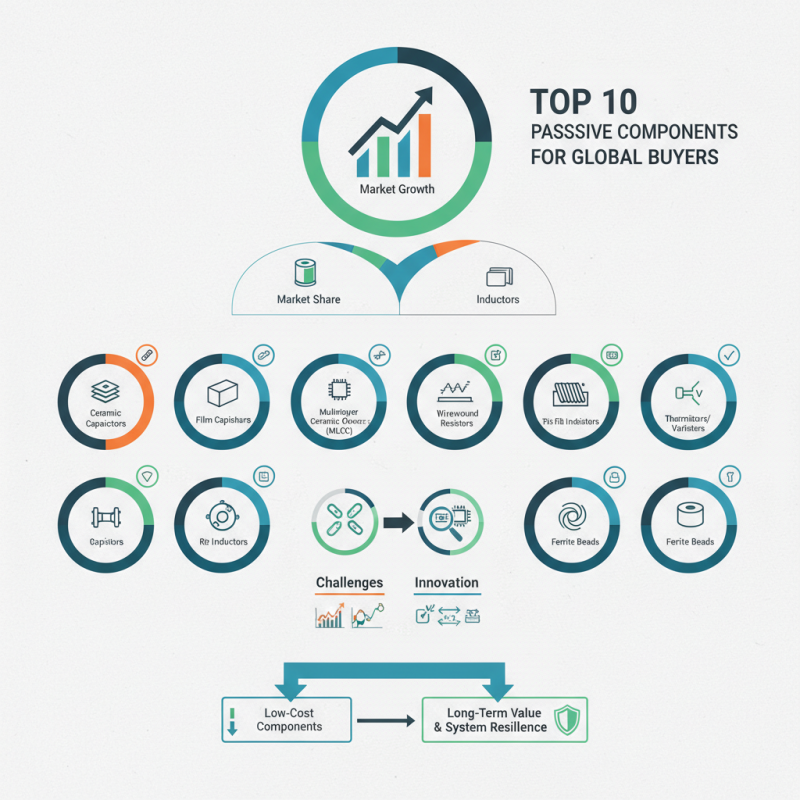
In the rapidly evolving electronics market, passive components play a vital role in ensuring device performance and reliability. According to a report by Market Research Future, the global passive components market is projected to reach USD 150 billion by 2025, reflecting a compound annual growth rate (CAGR) of 7.1%. This growth underscores the increasing demand for resistors, capacitors, and inductors, which are critical for circuit stability.

The landscape of passive components is diverse, offering numerous options for global buyers. Manufacturers continually innovate to enhance efficiency and miniaturization. Industry leaders, such as Murata and TDK, highlight the importance of quality and reliability in their products. However, buyers must navigate challenges, including supply chain disruptions and fluctuating prices, which can impact decision-making.

Furthermore, it is essential for buyers to assess long-term value over short-term savings. While low-cost components may seem attractive, they often compromise performance. A case study published by IEEE revealed a correlation between high-quality passive components and improved overall system resilience. As buyers consider their options, awareness of these nuances can lead to more informed and effective purchasing decisions.
Top 10 Passive Components for Global Buyers to Consider?

Top 10 Passive Components: An Overview for Global Buyers

Top 10 Passive Components for Global Buyers to Consider?

When considering passive components, global buyers should focus on essential categories. Capacitors, resistors, and inductors remain crucial. According to the 2023 Passive Components Market Report, the global capacitor market alone is projected to reach 118 billion USD by 2026. This significant growth illustrates the increasing demand for energy storage solutions.

Resistors are another pivotal component. The resistor market is evolving, driven by advancements in electronics. A recent study highlights that precision resistors will see a compound annual growth rate of 5.4% over the next few years. This trend emphasizes the importance of accuracy in electronic design.

Inductors also play a critical role, especially in power management applications. Their usage in electric vehicles and renewable energy systems is rising. As industries move towards sustainability, passive components will be at the forefront of innovation. However, buyers must navigate varying quality standards. Inconsistent manufacturing practices can lead to reliability issues. Awareness of these challenges is essential for informed purchasing decisions.

Understanding the Role of Passive Components in Electronics

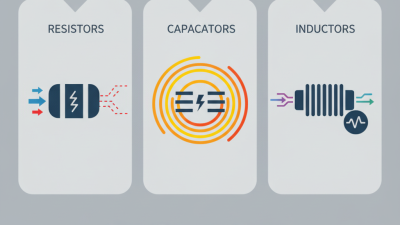
Passive components are integral to electronics, playing vital roles in circuits. These components, including resistors, capacitors, and inductors, do not amplify power but influence it. Each component serves a unique function. Resistors control current, capacitors store energy, and inductors manage magnetic fields.

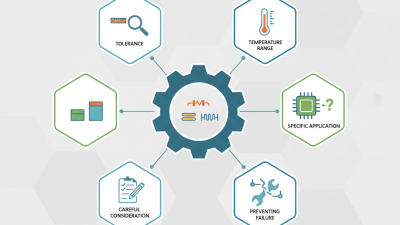
Understanding how these elements interact is crucial for designers. They must consider factors like tolerance and reliability. A small mistake in choosing a component can lead to performance issues. This highlights the importance of thorough research before selection.

Working with passive components comes with challenges. Specifications can be confusing. Variability in manufacturing might affect performance. Designing reliable electronic systems demands attention to these details. Continuous learning and adaptation are necessary in this field. Striving for precision can lead to better outcomes.

Key Considerations for Selecting Passive Components Worldwide

When selecting passive components, buyers must consider several crucial factors. Reliability is key. Components should perform consistently under various conditions. Evaluate the durability of each part. Look for components that can withstand temperature extremes and environmental stressors. Longevity is an asset in any design, reducing the need for replacements.

Cost is another significant consideration. High quality often comes at a premium, but cheaper options may fail sooner. This leads to increased maintenance and replacements. Analyze the total cost of ownership, not just the initial purchase price. Balance quality and price for optimal results.

Supplier reputation matters greatly in the global market. Research potential suppliers and their history. Feedback from other customers can reveal insight into performance. Engaging with suppliers who prioritize quality assurance can ensure better outcomes. A transparent supply chain can also enhance trust. Establishing a reliable partnership is essential for long-term success.

A Comparative Analysis of Popular Passive Component Types

When evaluating passive components, multiple types come to mind, each with unique functionalities. Resistors, capacitors, and inductors dominate the market. Resistors manage current and voltage levels in circuits. They come in various materials and sizes, impacting their performance and cost. Capacitors store energy temporarily and are crucial in power applications. Their function varies greatly between ceramic and electrolytic types. Inductors, on the other hand, are essential for energy storage in magnetic fields. Choosing the right inductor is vital for efficiency.

Tips: Always consider the operating environment. Temperature and humidity can affect component reliability. Think about longevity, especially in outdoor applications.

Another consideration is the level of tolerance. Minor variations in component values can lead to significant performance shifts. Comparing specifications helps avoid costly mistakes. Pay attention to the voltage rating, which can determine failure points under stress. A higher rating might be more costly, but it ensures stability.

Tips: Keep a list of preferred suppliers. Reliable sources often have better quality control. Compare prices but prioritize performance and reliability to ensure your project’s success.

Top 10 Passive Components for Global Buyers to Consider

Component Type Typical Applications Key Specifications Market Trends
Resistors Voltage Division, Current Limiting Values: 1Ω to 10MΩ, Tolerance: ±1% to ±5% Growth in automotive and consumer electronics
Capacitors Energy Storage, Filtering Capacitance: 1pF to 100µF, Voltage Rating: Up to 1000V Demand for compact designs in mobile devices
Inductors Power Conversion, Filtering Inductance: 1µH to 10H, Current Rating: Up to 100A Rise in renewable energy applications
Transformers Voltage Conversion, Isolation Power Ratings: 1VA to 100kVA Focus on energy efficiency improvements
Oscillators Clock Generation, RF Applications Frequency Range: kHz to GHz Increased usage in IoT devices
Filters Signal Conditioning, Noise Reduction Types: Low-pass, High-pass, Band-pass Growing need in telecommunications
Gain Blocks Signal Amplification Gain: 10dB to 50dB Expansion in wireless technology
Stylus Probes Testing and Measurement Dimensions: Range of tip sizes Advances in automation and precision
Sensors Environmental Monitoring, Control Types: Temperature, Humidity, Pressure Integration with smart systems
Connectors Interfacing Components, Signal Transfer Variety of pin configurations Increased focus on miniaturization

Future Trends in Passive Components for Global Market Needs

The market for passive components is evolving rapidly. As technology advances, so do the needs of global buyers. Trends indicate a shift toward miniaturization. Smaller, more efficient components are becoming the norm. This not only saves space but also enhances performance.

Sustainability is another key trend. Manufacturers are increasingly focusing on eco-friendly materials. They aim to reduce waste and energy consumption. Buyers are now looking for products that align with green initiatives. There’s also a growing demand for multifunctional components. They serve several purposes, thus reducing the need for multiple parts.

However, challenges remain. The quality control of these compact designs can be inconsistent. Some suppliers struggle to maintain high standards while adjusting to rapid changes. Continuing to innovate while ensuring reliability is a delicate balance. Manufacturers must be mindful of these aspects to satisfy the evolving market demands.

Top 10 Passive Components for Global Buyers to Consider