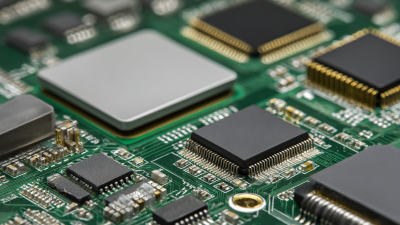
Choosing the best website for electronic components in China requires more than comparing prices. Buyers must examine stock accuracy, manufacturer authorization, technical documentation, and delivery performance. A bright product page means little if the listed inventory is outdated. That mistake can delay a prototype for weeks.
Dale Ford, President and Chief Economist of the Electronic Components Industry Association, has said, “The independent distributor channel plays a critical role in the electronics supply chain.” His point applies directly to online purchasing. A dependable platform should connect buyers with traceable suppliers, not merely display thousands of part numbers.
This article will compare major Chinese platforms, including LCSC, 1688, and specialized distributor websites. It will consider search tools, datasheet quality, parametric filters, minimum order quantities, and export support. It will also examine how each platform handles obsolete components, delivery estimates, and product authenticity.
LCSC may appeal to engineers who need clear specifications and small quantities. 1688 can offer broader supplier access, but communication and verification may require more effort. Huaqiangbei-based sellers may provide unusual parts quickly. Yet, availability does not always equal reliability.
There is no universal winner. It depends on your project.
A prototype buyer may value low quantities and fast shipping. A factory may prioritize stable pricing and consistent batches. Engineers should cross-check manufacturer part numbers, inspect certificates, and request samples before larger purchases. Even careful buyers can overlook regional warranty limits or changing freight costs. That weakness deserves attention.
The best website for electronic components is therefore the one that matches your sourcing needs, risk tolerance, and technical verification process.
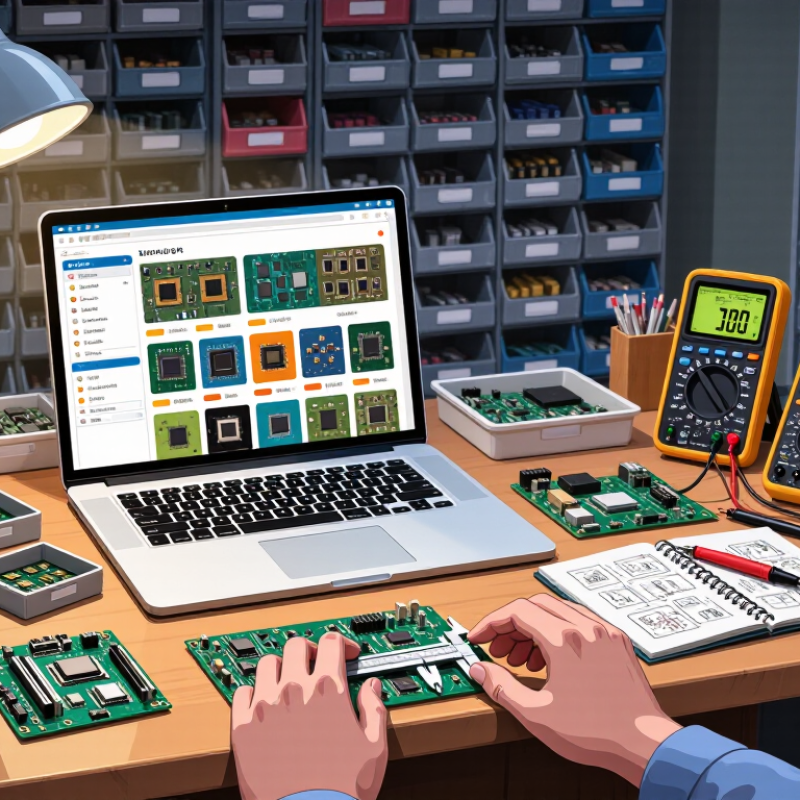
The best China-based electronic components website feels practical from the first search. Its categories should separate capacitors, connectors, sensors, and integrated circuits clearly. Search filters must include package type, tolerance, voltage, temperature range, and stock status. Small details matter.
Reliable listings show complete datasheets, manufacturer part numbers, revision dates, and downloadable technical drawings. Clear photographs can reveal pin layouts, labels, and packaging conditions. A professional website should also explain whether products are new, surplus, or refurbished. That distinction protects engineering decisions.
I have learned that a low price means little without traceability. Lot codes, inspection records, and certificates provide stronger evidence than attractive product pages. Independent quality checks are valuable, especially for high-volume orders.
Communication also separates a dependable supplier from a confusing one.
Technical staff should answer questions about equivalents, lifecycle status, lead times, and minimum order quantities. Replies should be specific, not copied from a script. Shipping information should include packaging methods, delivery estimates, customs documents, and tracking procedures. Mistakes still happen. Stock figures may change before an order is confirmed, and specifications can be entered incorrectly. A trustworthy website admits these limits and offers a clear correction process. Payment protection, written quotations, and responsive after-sales support make procurement less risky. No website is perfect. Careful verification remains necessary.
When comparing China-based electronic component websites, selection matters more than visual design. Look for platforms covering semiconductors, passive parts, connectors, sensors, displays, and power modules. A wide catalog should show package types, voltage ratings, stock locations, and lifecycle status. The WSTS Spring 2024 forecast valued global semiconductor sales at 611.2 billion dollars, with strong growth across memory, logic, and analog devices. This expanding market makes catalog depth increasingly important. However, a long product list does not guarantee real inventory.
A useful comparison starts with search accuracy. Test unusual specifications, such as a 0402 resistor, an automotive-grade controller, or a low-noise amplifier. Check whether results show exact part numbers or only broad categories. The Semiconductor Industry Association reported global semiconductor sales of 526.8 billion dollars in 2023. That figure reflects a complex supply chain, not simple online availability. Some websites list obsolete parts without clear verification. That is a weakness worth noticing.
Tips: Request recent stock confirmation, date codes, certificates, and traceability documents. Compare at least three suppliers for the same component. Review minimum order quantities and packaging carefully. A lower price may hide older inventory or incomplete documentation. Do not rely on search ranking alone. In practical sourcing, the widest selection is useful only when technical data remains clear, current, and independently checkable. No catalog is perfect.
Choosing the best China website for electronic components requires more than comparing the lowest listing price. Experienced buyers check part numbers, package details, date codes, and stock location. A cheap resistor reel may become expensive after shipping, inspection, or replacement delays. Ask for a formal quotation with quantity tiers, lead time, payment terms, and return conditions. Clear answers reveal supplier discipline. Vague answers deserve caution.
Tips: Request recent photos of labels, reels, and outer cartons. For high-value or sensitive parts, buy a small sample batch first. Compare datasheets with official specifications, not only marketplace descriptions. Check whether the supplier provides lot traceability, inspection records, and a consistent contact person. Independent testing can confirm authenticity, but it adds cost. Plan for it.
Quality also means stable performance after delivery. Review moisture protection, anti-static packaging, and storage conditions. A reliable supplier explains defects without shifting blame and offers evidence-based solutions. In practical sourcing, buyers sometimes reject a supplier over a small price difference, then lose weeks correcting poor documentation. Still, online ratings are not proof. They can be incomplete, old, or overly generous. Balance transaction history, technical communication, sample results, and realistic delivery promises. No single score is enough.
A strong China website for electronic components should make sourcing faster, not merely display thousands of listings. Parametric search is essential. Buyers should filter by package, voltage, tolerance, temperature range, lifecycle status, and compliance documents. Clear stock quantities and updated lead times prevent wasted inquiries. The 2024 WSTS Spring Forecast expected global semiconductor sales to reach 611.2 billion dollars, showing the market’s scale and pressure on availability.
Supplier transparency matters just as much. A reliable platform should show manufacturer authorization evidence, batch traceability, inspection records, certificates, and high-resolution package photos. It should also separate factory stock from broker inventory. McKinsey’s 2023 Global Supply Chain Leader Survey found that 73% of respondents experienced negative effects from supply-chain disruptions. Real-time alerts for price changes, shortages, and end-of-life notices can reduce that risk. Small details matter.
In practical sourcing work, I would also expect downloadable datasheets and fast RFQ tools. Side-by-side comparison saves time during qualification. Landed-cost estimates are useful, but they are rarely perfect. Taxes, freight, and inspection fees can change. A platform should explain those assumptions clearly. Human review is still necessary. Even a clean product page may contain a wrong photograph, incomplete specification, or outdated stock number. That is an uncomfortable limitation, but honest platforms make verification easier.
The best China website for electronic components is not simply the one with the lowest price. Buyers need verifiable supply records, clear inspection procedures, and responsive technical support. A professional seller should provide manufacturer part numbers, lot codes, date codes, certificates of conformity, and high-resolution package photographs. Ask for the original packing label, not only a rewritten spreadsheet.
Counterfeit risk deserves serious attention. The OECD and EUIPO estimated that counterfeit and pirated goods represented 2.5% of global trade in 2019, worth about US$464 billion. Their research covers many product categories, including electronics.
Buyers should compare quoted prices with recent market levels. An unusually low price needs evidence, not excitement. Independent laboratories can perform X-ray inspection, XRF material analysis, decapsulation, marking checks, and electrical testing. One test is rarely enough.
I have found that traceability often reveals more than polished product pages. Request purchase history, warehouse photos, sample approval records, and a written inspection standard. Verify whether the supplied date code matches the package and documentation. Use sealed samples for testing before approving a large order. Small details matter.
Still, inspection is not perfect. Testing can miss recycled parts, and certificates can become outdated. Buyers should record every approval, retain samples, and review suppliers after delivery. The Electronic Resellers Association International has repeatedly emphasized reporting and tracking suspicious component activity through industry databases and alerts. Verification is a process, not a single document.